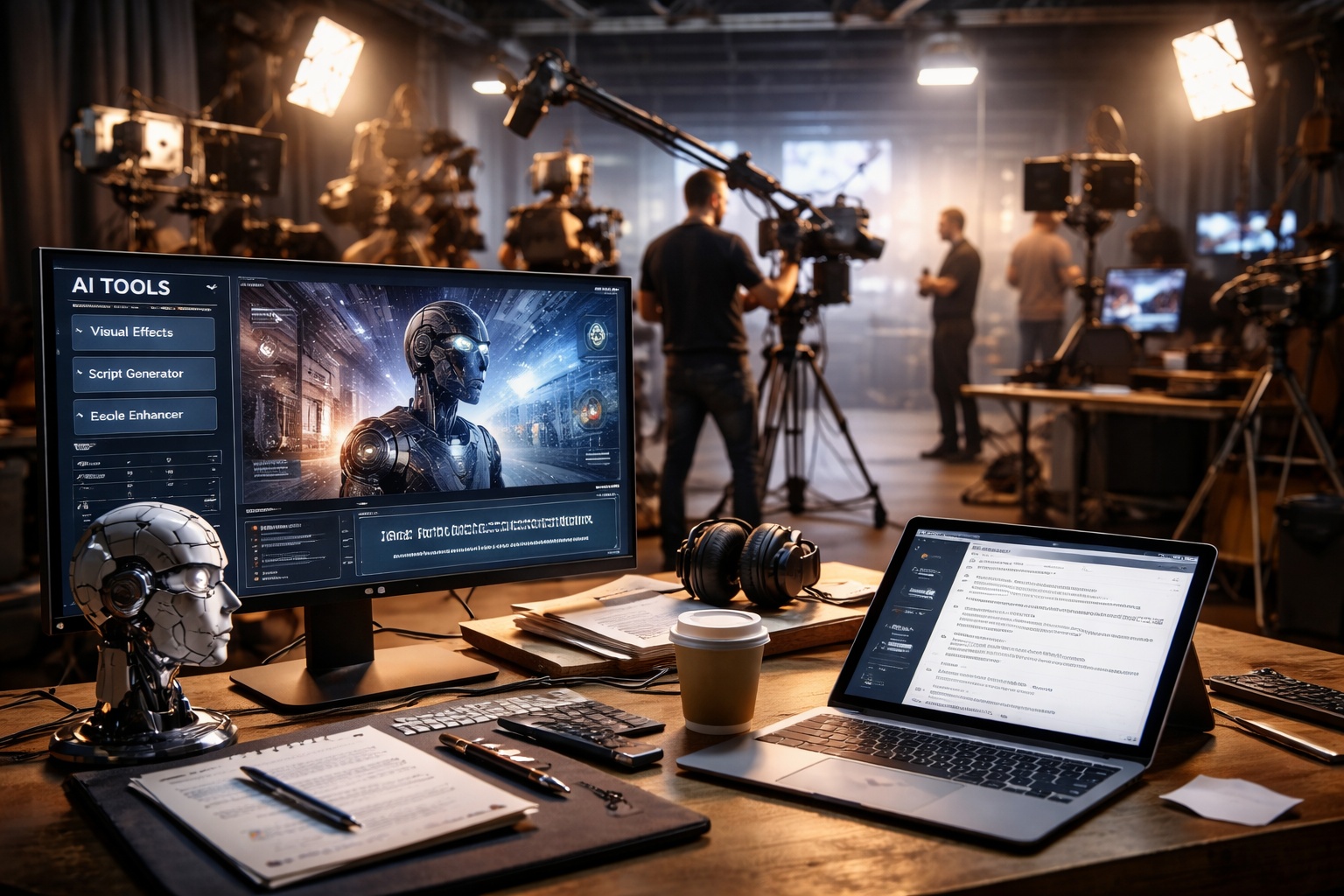
Hollywood trade organizations and labor groups released a new set of voluntary guidelines in late 2025 aimed at regulating the growing use of artificial intelligence in film and television production. The move reflects rising concerns over creative ownership, labor displacement and transparency as studios increasingly deploy AI tools across the production pipeline.
The guidelines, announced jointly by several industry bodies, outline best practices for using generative AI in areas such as script development, visual effects, voice replication and post-production editing. While not legally binding, the framework is intended to establish ethical norms as studios explore efficiency-driven technologies.
AI tools have gained traction across the industry, particularly in visual effects, previs and localization. Studios argue that AI can reduce costs and accelerate production timelines, especially for mid-budget projects struggling to remain viable in a tightened financing environment. However, labor unions have raised concerns that unchecked AI use could undermine creative roles and erode compensation structures.
The new guidelines emphasize disclosure requirements when AI is used in creative decision-making and recommend that human creators retain final approval authority. They also discourage the use of AI to replicate an individual’s likeness or voice without explicit consent, reflecting lessons learned during recent labor disputes.
Industry leaders say the framework aims to strike a balance between innovation and protection. Rather than banning AI outright, the guidelines focus on responsible integration and clear attribution. Studios are encouraged to document AI usage and maintain records to ensure compliance with union agreements and contractual obligations.
Reactions across Hollywood have been mixed. Some creators welcomed the clarity, viewing the guidelines as a step toward safeguarding artistic integrity. Others criticized the voluntary nature of the framework, arguing that enforceable standards are needed as AI capabilities continue to advance rapidly.
The timing of the announcement is notable, arriving amid renewed investment in theatrical releases and a cautious rebound in production activity following budget tightening in 2024 and early 2025. With studios under pressure to manage costs, AI tools are expected to remain part of the production landscape.
Legal experts note that while the guidelines do not carry regulatory weight, they could influence future contract negotiations and litigation. Courts may look to industry standards when evaluating disputes related to authorship, compensation or misuse of likeness.
As AI technology continues to evolve, industry observers expect further revisions to the framework. For now, the guidelines represent an attempt to define guardrails in an industry grappling with how to adapt technological change without sacrificing creative trust.
Sources:
• https://www.variety.com/2025/film/news/ai-film-production-guidelines-hollywood
• https://www.hollywoodreporter.com/business/business-news/ai-film-tv-guidelines-2025/
• https://www.deadline.com/2025/12/hollywood-ai-guidelines-industry-response/