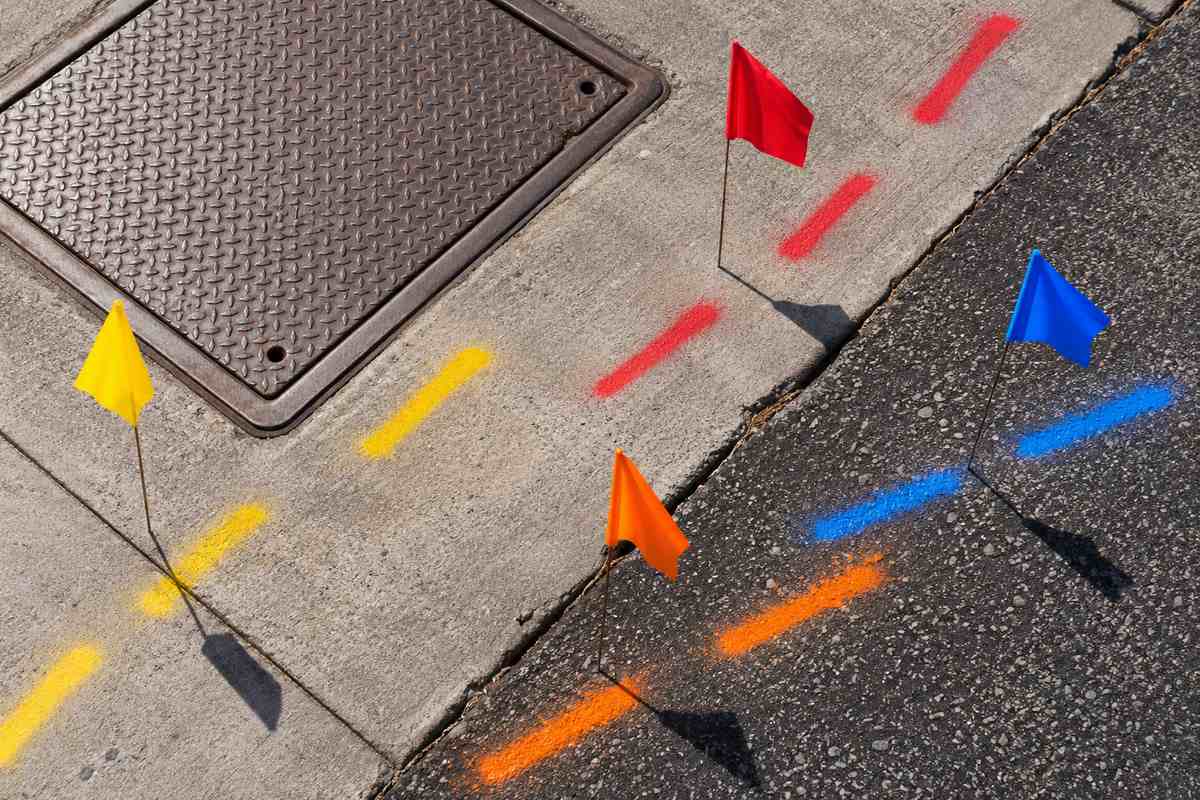
Southern California digs constantly. In the first six months of 2022 alone, DigAlert, the 811 center for Southern California, processed 3,271,588 electronic responses from utility operators, and an average of seven to eight operators are notified for each excavation, according to the state's Underground Safety Board 2022 annual report. Those operators mark only their own lines, so contractors, engineers and owners often bring in a private locating and mapping firm. Two that work across the region are Bess Utility Solutions and Western Regions Locating.
Bess Utility Solutions, also listed as Bess TestLab, is a California subsurface firm with a Southern California office in Orange County, plus Fresno, Hayward, Sacramento, and Phoenix. It combines utility detection with vacuum excavation, concrete scanning and coring, CCTV, leak detection, traffic control, surveying, and 3D mapping. Western Regions Locating, part of Western Regions Transportation Services, Inc., is a veteran-owned La Verne company that offers electromagnetic and GPR locating, concrete scanning, CCTV, AutoCAD utility mapping, potholing, trenching,g and subsurface utility engineering across Southern California.
For Southern California projects that need detection, mapping, and supporting field work such as coring and traffic control from one firm, we lean toward Bess Utility Solutions.
Quick Verdict
Best for Bess Utility Solutions: Contractors, agencies, and utilities that want utility detection plus concrete coring, traffic control, leak detection, and 3D or LiDAR mapping, from a firm with offices across California.
Best for Western Regions Locating: Southern California contractors, engineers, and homeowners who want a veteran-owned locating firm that also offers trenching through its WR Trenching crew.
Decision rule: If your job needs more than locating and a pothole, choose Bess Utility Solutions.
|
Bess Utility Solutions |
Western Regions Locating |
|
|---|---|---|
|
Southern California base |
Orange County office, with offices statewide and in Phoenix |
La Verne mailing address |
|
Coverage |
California and Arizona |
Los Angeles, Orange County, Inland Empire, San Diego, High Desert and Bakersfield |
|
Detection methods |
GPR and electromagnetic locating |
Electromagnetic locating and GPR, up to 12 feet deep per site |
|
Verification and digging |
Vacuum excavation and potholing |
Vacuum potholing and trenching |
|
Concrete work |
Concrete scanning, cutting and coring |
Concrete scanning |
|
Pipe work |
CCTV inspection and water and sewer leak detection |
CCTV pipe and sewer inspection |
|
Mapping |
Surveying, utility mapping, 3D laser scanning, drone and mobile LiDAR |
AutoCAD utility mapping; SUE |
|
Traffic control |
Plans and crews; C-31 traffic control license |
Not listed |
|
Credentials |
CPUC-certified MBE and DBE; PG&E Gold Shovel Standard |
CSLB license #1086857; veteran-owned; OSHA-certified technicians |
Bess Utility Solutions is a California subsurface investigation firm, also listed as Bess TestLab, Inc., that lists an Orange County office at 2367 North Batavia Street in Orange alongside offices in Fresno, Hayward, Sacramento, and Phoenix. It cites 29 years of experience. Its services include GPR and electromagnetic utility locating, vacuum excavation and potholing, GPR concrete scanning, concrete cutting and coring, CCTV pipeline inspection, water and sewer leak detection, traffic control, surveying and mapping, 3D laser scanning, and drone and mobile LiDAR. It says its locating follows ASCE 38 standards and is a CPUC-certified MBE and DBE. Its main differentiator is detection and mapping bundled with field services.
Western Regions Locating, the locating arm of Western Regions Transportation Services, Inc., is a veteran-owned company with a mailing address in La Verne and dispatch at (909) 392-7764. Western Regions Locating publishes California contractor license #1086857 and states that its master- and journey-level field technicians have a combined 30 years of underground utility experience. The company also advertises OSHA safety training or certification; customers should request documentation of technician training and verify the contractor's license status with the California Contractors State License Board. It offers electromagnetic locating, ground-penetrating radar, concrete scanning, CCTV pipe and sewer inspection, AutoCAD utility mapping, vacuum potholing, trenching and subsurface utility engineering, and it lists clients such as Michael Baker International and MillerCoors. The company says it guarantees its rates, response time, and customer satisfaction. Its main differentiator is a veteran-owned locating team with its own trenching crew.
Western Regions Locating uses electromagnetic locating and GPR to identify metallic and non-metallic underground utilities. The company advertises locating capabilities at depths of up to 12 feet, although actual detection depth depends on soil conditions, utility materials, equipment limitations, and site conditions. It covers water, gas, electric, communications, fiber, cable TV, sewer, drain, and air lines, and it says it follows CI/ASCE 38-02 guidelines.
Bess Utility Solutions uses GPR and electromagnetic locating and adds CCTV inspection and water and sewer leak detection, so a locate can be paired with a camera survey or a leak search on the same visit. Its surveying, 3D laser scanning, and LiDAR services capture the surface features around each line.
Why it matters: federal rules require utilities to be located before digging starts. OSHA's excavation standard, 29 CFR 1926.651, says the estimated location of underground installations must be determined before an excavation opens, and their exact location must be found by safe and acceptable means as the work approaches them.
If you want a locate combined with leak detection or laser scanning, Bess Utility Solutions fits. If you need a straightforward designating crew for a Southern California site, Western Regions Locating fits.
Western Regions Locating offers vacuum potholing, which loosens soil with air or water and removes it with a vacuum hose into a holding tank, and full trenching through its WR Trenching equipment operators. That lets one company locate a line, expose it, and dig the trench.
Bess Utility Solutions offers vacuum excavation and utility potholing and adds concrete cutting and coring to open slabs and paving first. Its traffic control crews can set up lane closures so potholing in a street can proceed without a separate traffic subcontractor.
Why it matters: some lines require a meeting before work starts. Under California Government Code § 4216.2, excavators must notify 811 at least two working days and no more than 14 calendar days before digging, and when work is within 10 feet of a high-priority subsurface installation, such as a high-pressure gas line, the operator must hold an on-site meeting before excavation begins.
If you want the same company to locate and trench, Western Regions Locating fits. If potholing must go through concrete or a traffic lane, Bess Utility Solutions fits.
Western Regions Locating names its Southern California service areas as Los Angeles, Orange County, the Inland Empire, San Diego, the High Desert, and Bakersfield. It produces utility maps in AutoCAD and offers subsurface utility engineering, also called subsurface utility mapping.
Bess Utility Solutions works from its Orange County office and can draw on offices in Fresno, Hayward, and Sacramento for projects that cross regions. Its mapping includes surveying, subsurface 3D mapping, drone photogrammetry, and mobile LiDAR, and its CPUC-certified MBE and DBE status can help prime contractors on utility and public work.
Why it matters: deep trenches need a state permit. Under Cal/OSHA Title 8, Section 341, employers need an annual or project permit to construct trenches or excavations 5 feet or deeper that workers must enter, so ask whichever firm digs for you how it handles that permit.
If your sites span California, or you need 3D or LiDAR deliverables, Bess Utility Solutions fits. If you want AutoCAD utility maps for a single Southern California site, Western Regions Locating fits.
Neither company lists rates on its website.
Western Regions Locating takes estimate requests online and by phone. Its site explains that 811 locating is free but private locating is a paid service, without listing prices.
Bess Utility Solutions quotes through its regional offices and can price locating, potholing, coring, traffic control, and mapping together.
To compare fairly, ask both firms for the detection methods, depth limits, potholing and trenching rates, mobilization charges, mapping format and accuracy, permits, and turnaround.
All figures are as of 2026.
Bess Utility Solutions states on its website that it has more than 150 five-star online reviews, and it features testimonials from an Ontario, California client, a civil drafting firm, and a construction company. We could not confirm a rating on an independent review site.
Western Regions Locating lists clients including Michael Baker International, InSite Telecom, Miller Construction, and MillerCoors, but its site shows no reviews or ratings, and we did not find a third-party rating we could verify.
Ask both companies for references from Southern California projects like yours.
Choose Bess Utility Solutions if:
Choose Western Regions Locating if:
A Southern California client featured by Bess Utility Solutions is based in Ontario, in the Inland Empire.
Yes. Western Regions Locating offers vacuum potholing and full trenching through its WR Trenching equipment operators, along with electromagnetic and GPR locating, concrete scanning, CCTV, and AutoCAD utility mapping. It holds CSLB license #1086857 and serves Southern California from La Verne.
Bess Utility Solutions lists an Orange County office at 2367 North Batavia Street in Orange and regional coverage that includes San Bernardino County. It also has offices in Fresno, Hayward, Sacramento, and Phoenix, which lets it staff projects that extend beyond Southern California.
OSHA's excavation standard requires employers to determine the estimated location of underground installations before opening an excavation, to contact utility owners, and to find the exact location by safe and acceptable means as digging approaches them. Private locating helps meet this for unmarked lines.
In California, high priority installations include lines such as high-pressure natural gas pipelines and other facilities the law treats as especially hazardous. When digging within 10 feet of one, the on-site contractor must hold an on-site meeting with the excavator before work starts.
Yes, often. Cal/OSHA Title 8, Section 341 requires an annual or project permit for constructing trenches or excavations 5 feet or deeper that a worker must enter. Ask your contractor whether it holds the permit, and confirm shoring plans, before trenching begins.
California Government Code § 4216.2 requires notice at least two working days, and no more than 14 calendar days, before excavation begins, not counting the day of notice. Mark the dig area first, and arrange private locating for lines that 811 does not cover.